

Soccer and fútbol fans everywhere are waiting to see if Argentina can retain the FIFA World Cup trophy, or if Spain and Lamine Yamal will clean out the defending champions and take the cup home for the first time in over a decade. As the tournament wraps up, total attendance has already crossed 6 million.
When FIFA first came to the US in 1994, it drew 3.6 million spectators, setting a record that stood for more than three decades. That record broke midway through this year's tournament on June 25. In 1994, FIFA earned most of its money from television rights. Today, it monetizes almost everything.
Sponsorships are expected to bring in $3-4 billion in revenue, at least 35% more than the last season in Qatar. FIFA has also adopted dynamic ticket pricing for the first time amid much backlash, with some seats costing up to 10X more than they did in Qatar. People who attended FIFA in ‘94 say that back then, the uncertainty was whether people would show up. The question this time around has been whether they can afford to.
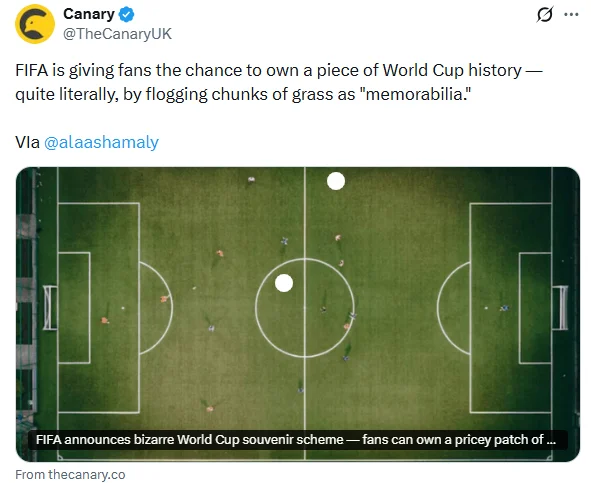
Even after the final match is played, FIFA isn’t done making money from it. After the final whistle, it plans to sell fragments of the pitch used for the July 19 final as “memorabilia,” with prices (for a product that is basically grass and mud) starting at $450. FIFA expects to gain more than $11 million from the sale, seemingly confident that they will find enough pushovers clicking 'buy'.
It's FIFA’s biggest payday yet
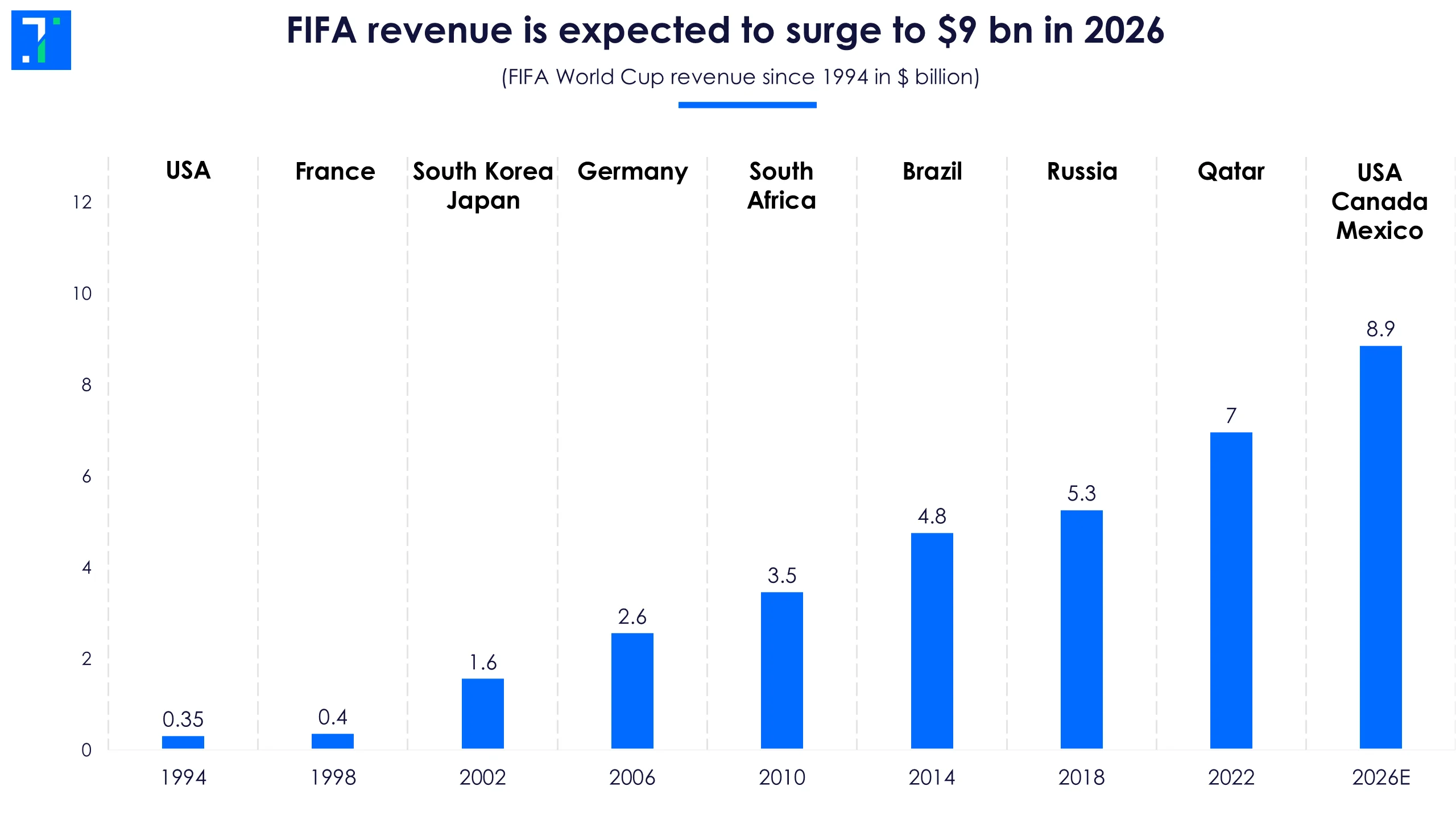
Overall, FIFA expects to generate $8.9 billion from this World Cup tournament, accounting for nearly 70% of its record $13 billion revenue target for the 2023-26 cycle. When current FIFA President Gianni Infantino campaigned for the FIFA presidency in 2016, he had promised to quadruple the organisation's revenue. He saw this growth coming from changes in how FIFA runs the tournament.
For most of the World Cup's history, local organizing committees managed the event, absorbed the bulk of the costs and also shared in the commercial upside. This time, FIFA is effectively acting as the organizer, and is less eager to share, instead working directly with host cities while taking control of almost every major revenue stream, including media rights, sponsorships, ticketing, hospitality and merchandise.
Host cities, meanwhile, are left footing much of the bill. They pay for transportation, policing, security, airports, FIFA Fan Fest sites and even the vehicles used during the tournament.
When asked what cities receive in return, a FIFA executive said, “Hosting this tournament will put your city on the map.”
That promise of 'exposure' for the host cities sounds pretty vaporous, compared to cold hard cash. New York City Comptroller Mark Levine estimates that even if FIFA's rosy projections of 1.2 million regional visitors materialize, the city would collect only about $55 million in additional tax revenue while spending roughly $70 million on policing, emergency management and support for small businesses. Across all 11 US host cities, the combined loss could exceed $250 million.
To cover these costs, some agencies have passed the bill directly to fans. Those travelling to the final in New Jersey face a $150 train fare, nearly 12 times the regular price. NJ Transit CEO Kris Kolluri defended the hike, saying, "This isn't price gouging. We are literally trying to recoup our costs."
There has also been speculation that FIFA has been shifting unsold tickets to secondary marketplaces, according to S&P Global’s Johnson. “It’s creating a sense of artificial scarcity, which is pushing fans to pay a little bit higher prices in both the primary and secondary markets,” he said.
FIFA also benefits from the resale market. Its official ticket exchange charges a 15% fee to both buyers and sellers, creating yet another revenue stream from every ticket that changes hands.
US companies benefit from higher engagement
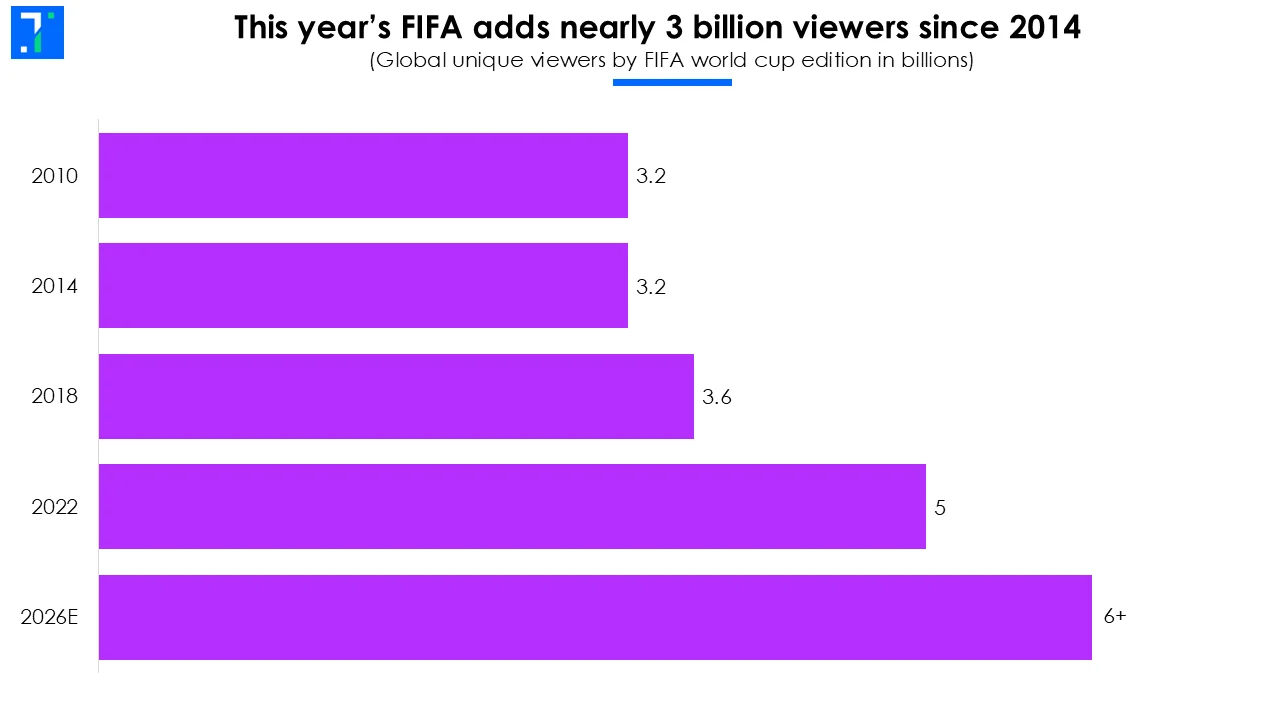
FIFA expects this year’s World Cup to reach 6 billion in global engagements across TV, streaming and digital platforms for the entire tournament, 20% higher than the previous edition. The US’ match against Bosnia and Herzegovina drew over 36 million viewers across Fox and Comcast’s Telemundo, setting a new US television record for a soccer broadcast.
The massive audience has given Fox an unexpected windfall: they have been filling FIFA’s mandatory six-minute hydration breaks with commercials. Fox is likely to generate at least $250 million in ad revenue. Higher projections go up to $600 million, potentially eclipsing the $485 million it paid for the tournament's US media rights.
Given the windfall this year, broadcasters could pay roughly twice as much for the 2030 US media rights, with bidding expected to start at $1 billion. Netflix, Disney, Apple and Amazon are all circling to seize this opportunity.
Over 6.2 million fans attended matches, with stadiums operating at near full capacity. While taking in the matches, these crowds downed more than 5 million beers.
The Beer Institute noted that fans pushed local bar sales up by 15.4% across all tournament host cities. In Boston, a local taproom had to make an emergency beer run after Scottish fans wiped out four times the usual weekend supply of Sam Adams Boston Lager. "We've never seen anything like it," said Billy DeCain of the Sam Adams taproom.
Jefferies analysts had estimated a 568 million-liter boost to global beer consumption during the June-July period due to the tournament. Anheuser-Busch InBev’s CEO Michel Doukeris said, "FIFA tournaments have historically added 20 to 30 basis points to our annual global beer volumes," adding that the crowds fuel the company's sales in the second and third quarters.
Some brands have outsmarted FIFA's rules
FIFA operates a strict 'clean stadium' policy, stripping venues of any branding not tied to an official tournament sponsor. That left Levi's with little choice but to cover up its giant logo at its own San Francisco Bay Area Stadium. Levi's complied with the rule, with a twist. It posted a picture of the covered sign with a caption: "Welcome to the beautiful [redacted] stadium," turning FIFA's branding blackout into a wave of free publicity.
Levi’s CEO Michelle Gass said the campaign generated around one billion press impressions, making it the “most viewed, shared, and commented post in Levi's history.” The company has even printed limited-edition t-shirts featuring the redacted logo, letting fans wear the punchline.
Other non-sponsor brands joined the fun, with Heinz handing out blacked-out bottles of "Unofficial Stadium Ketchup" just outside stadiums. In Massachusetts, Procter & Gamble’s Gillette responded to its own stadium blackout by posting pictures of its logo covered in digital shaving foam.
On Sunday, one team will be crowned champion. But the bigger winners are FIFA and the companies that have managed to monetise almost every aspect of the tournament, including the grass.